
Suzorite® Shield

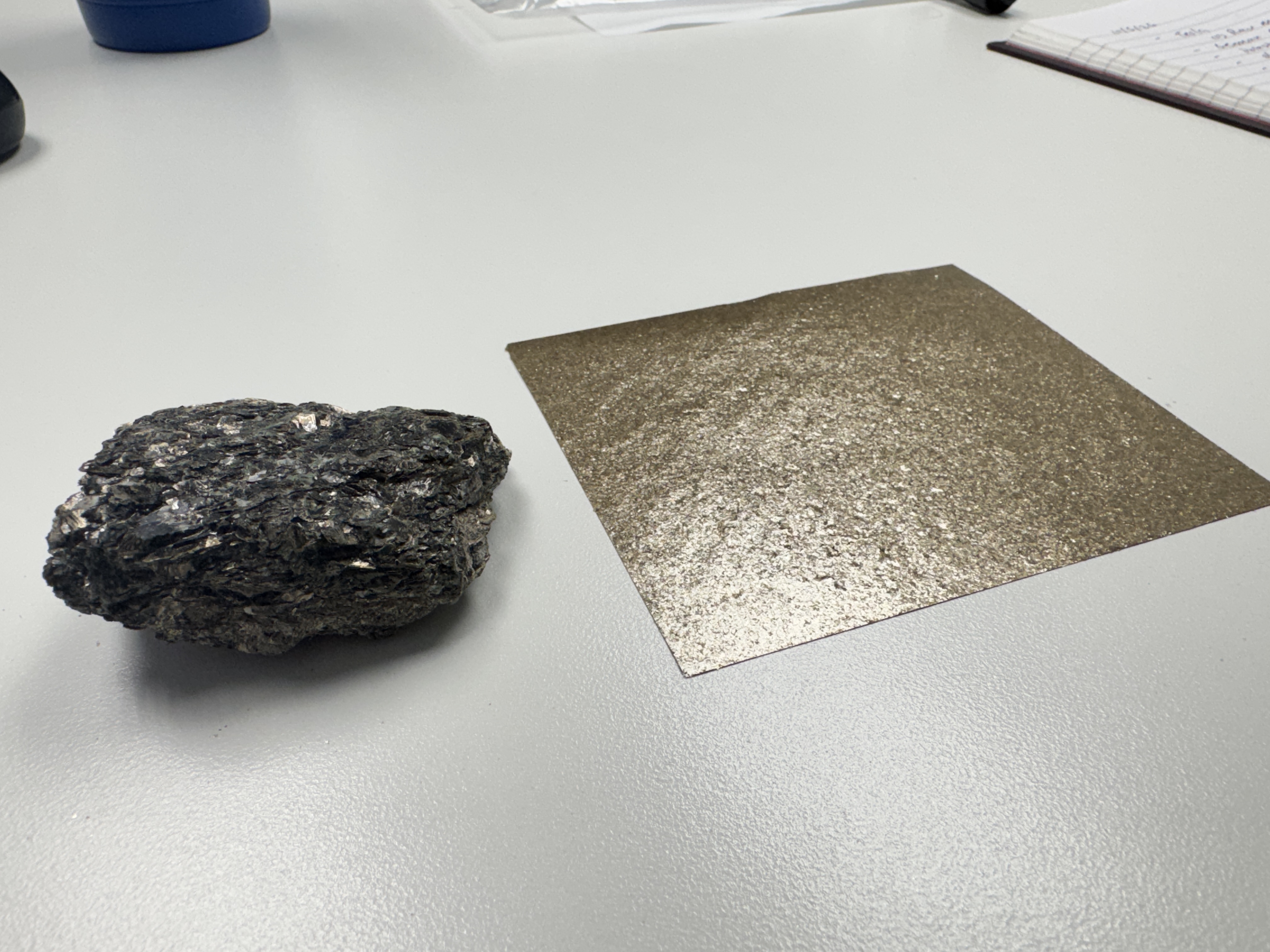
Image  | Thermal runaway is one of the most critical safety challenges in lithium-ion battery systems. Suzorite® Shield is Imerys’ high-performance phlogopite mica developed for demanding battery insulation applications, providing a combination of thermal stability, low thermal conductivity and electrical insulation. Used in mica paper, battery thermal barriers, battery shields and electrical insulation components, Suzorite® Shield helps manufacturers develop safer, more reliable battery systems for electric vehicles (EVs) and energy storage systems (ESS). |
How does Suzorite® Shield help with thermal runaway protection?
During a thermal runaway event, extreme heat generated by one battery cell can propagate to neighboring cells.
Incorporated into battery insulation systems, Suzorite® Shield helps create thermal barriers that slow heat transfer between battery cells and help delay thermal runaway propagation. Its exceptional thermal stability helps the material maintain its integrity in demanding high-temperature battery environments.
Low thermal conductivity helps reduce heat transfer between battery components, supporting effective passive thermal protection.
Naturally low electrical conductivity makes phlogopite mica an effective dielectric material. Suzorite® Shield helps electrically isolate battery cells and components, supporting reliable operation and helping reduce the risk of electrical shorts.
Suzorite® Shield’s high aspect ratio platelet morphology reinforces composite insulation materials, helping improve mechanical strength, dimensional stability and long-term durability.
Where is phlogopite mica used in EV batteries?
The combination of thermal, electrical and structural properties makes phlogopite mica suitable for multiple areas of an EV battery system.
Typical applications for Suzorite Shield include:
- Battery thermal barriers
- Battery pack insulation
- Mica paper
- Battery shields
- Inter-cell thermal barrier
- High voltage cables
- Transformers
- Motors
- Electrical insulation components
- Insulation tapes
- Composite battery insulation systems
- Battery Management System (BMS) insulation
- Energy Storage Systems (ESS)
Why use phlogopite mica for battery insulation?
Phlogopite mica provides a valuable combination of properties for battery insulation systems.
Exceptional thermal stability helps maintain performance at elevated temperatures and supports thermal runaway protection.
Low thermal conductivity helps reduce heat transfer between battery components.
Excellent electrical insulation helps maintain electrical isolation between cells and other high-voltage components.
High aspect ratio platelet morphology helps reinforce insulation materials and improve dimensional stability.
Chemical resistance helps maintain material integrity in demanding battery environments.
Together, these properties make phlogopite mica particularly suited to thermal and electrical insulation applications in EV batteries and energy storage systems.
What makes Suzorite Shield different?
Suzorite Shield combines high-performance phlogopite mica with Imerys’ mine-to-market expertise, application support and North American supply chain.
Responsibly sourced Canadian phlogopite mica
Suzorite Shield is sourced from Imerys’ Canadian phlogopite deposits and processed at our ISO 9001:2015-certified Boucherville facility, providing supply chain traceability, consistent product quality and reliable availability.
Battery application expertise
At our Johns Creek Technology Center, Imerys experts work alongside customers to support material characterization, thermal analysis, microscopy, mineral processing and product optimization.
This collaborative approach helps customers optimize mineral performance and accelerate the development of advanced battery insulation systems.
Supporting more sustainable electric mobility
Suzorite Shield is processed using renewable hydroelectric power and supported by Imerys’ SustainAgility® program, reflecting our commitment to responsible sourcing and sustainable innovation.
Frequently asked questions about battery insulation mica
Mica is used as a thermal and electrical insulation material in EV battery systems. Applications can include thermal barriers between cells and modules, battery pack insulation, mica paper, battery shields, busbar protection and electrical insulation components.
Phlogopite mica’s thermal stability and low thermal conductivity allow it to act as a passive thermal barrier. When incorporated into an appropriately designed battery insulation system, it can help slow heat transfer and delay thermal runaway propagation between battery cells.
Yes. Phlogopite mica has naturally low electrical conductivity, making it suitable for dielectric insulation. In battery systems, mica can help electrically isolate cells and high-voltage components.
Phlogopite mica combines thermal stability, low thermal conductivity, electrical insulation, chemical resistance and dimensional stability. These properties make it particularly suited to demanding battery thermal and electrical insulation applications.
Yes. Mica-based insulation can also be incorporated into stationary energy storage systems (ESS) where thermal management, electrical isolation and passive thermal protection are required.
Partner with Imerys for advanced battery insulation
From responsibly sourced phlogopite mica to advanced application expertise, Imerys helps customers develop the next generation of thermal and electrical insulation solutions for EV batteries and energy storage systems.
Discover how Suzorite Shield can support your battery insulation application.

